
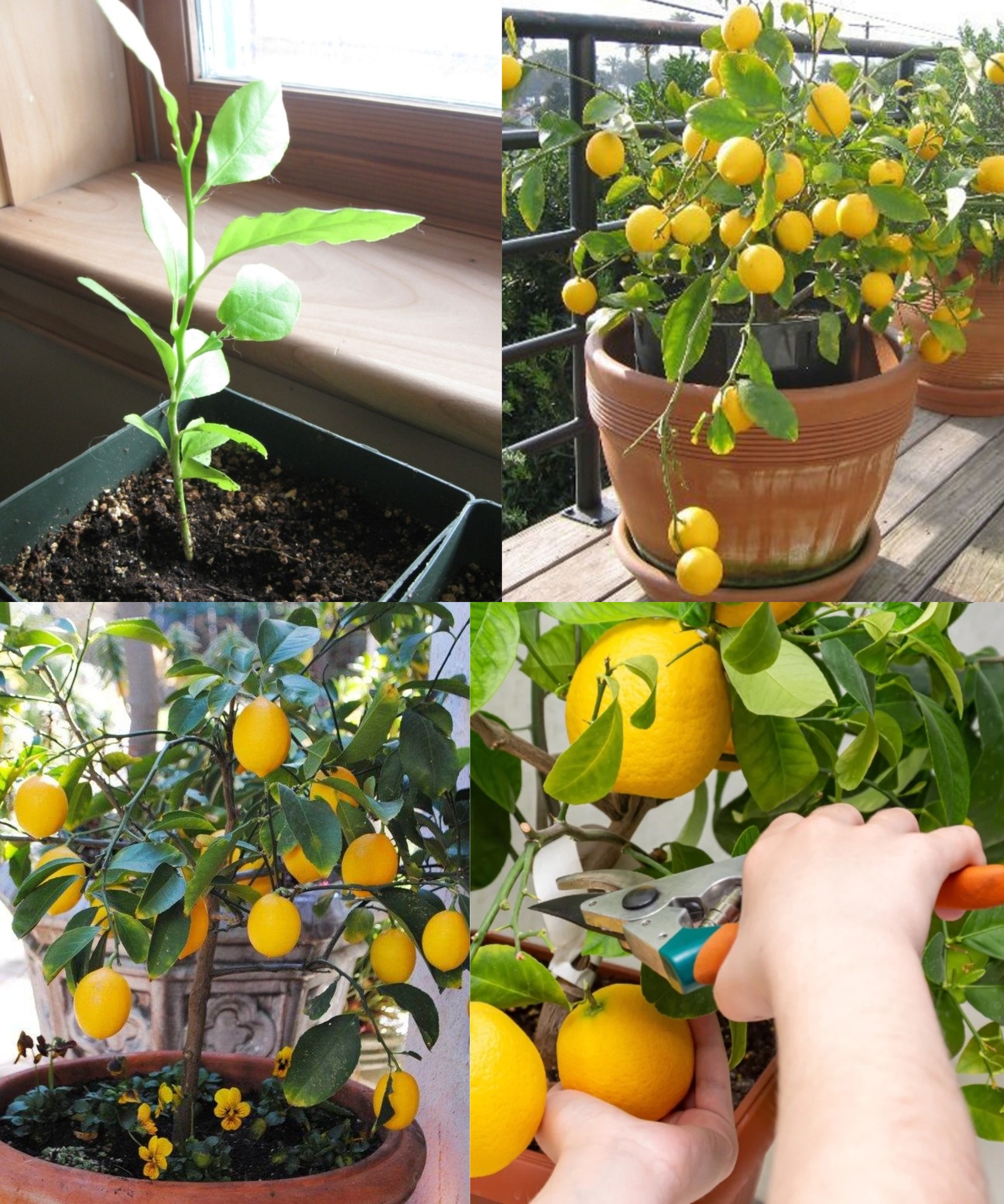
Growing lemon trees in pots is a fantastic way to enjoy fresh, homegrown citrus, even if you don’t have space for a garden. Lemon trees thrive in containers and can be grown indoors or outdoors, making them perfect for patios, balconies, and small spaces. With the right care and attention, you can enjoy a bountiful harvest of juicy lemons. Here’s a guide on how to plant, care for, and harvest lemon trees in pots.
1. Choosing the Right Lemon Variety
Not all lemon trees are ideal for container growing, so it’s important to choose a variety that will thrive in a pot. Dwarf and compact varieties are the best options because they stay small and can adapt to container life. Here are some popular varieties for container growing:
- Meyer Lemon: A dwarf variety that is one of the most popular for growing in pots. Meyer lemons are slightly sweeter than other varieties and are perfect for indoor growing.
- Ponderosa Lemon: Another great option for containers, known for producing large fruit with thick rinds.
- Lisbon Lemon: A more traditional lemon variety that can be grown in pots with proper care, though it may require more pruning to keep its size manageable.
2. Choosing the Right Pot and Soil
Lemon trees need the right container and soil to grow well in pots. Here’s what you need to consider:
- Pot Size: Start with a pot that is at least 14-16 inches in diameter and has drainage holes at the bottom. Lemon trees have deep roots, so the container should also be at least 12-15 inches deep. As the tree grows, you may need to repot it into a larger container.
- Material: Lightweight plastic or fiberglass pots are easier to move around, especially when the tree gets larger. Terra cotta pots are also a good option, but they dry out more quickly, so be sure to monitor the soil moisture.
- Soil: Use a well-draining potting mix that is rich in organic matter. A mix designed for citrus or cacti works well. Avoid using garden soil, as it can compact in containers and lead to poor drainage.
3. Planting Your Lemon Tree
Once you have the right pot and soil, it’s time to plant your lemon tree. Here’s how to do it:
- Preparation: Fill the bottom of the pot with a layer of gravel or stones to improve drainage. Add the potting mix, filling the pot about halfway.
- Planting: If you’re starting with a young lemon tree, gently remove it from its nursery pot and place it in the center of your container. Add more potting mix around the root ball, making sure the tree is planted at the same depth as it was in the nursery pot. Leave about an inch of space between the top of the soil and the rim of the pot to allow for watering.
- Watering: After planting, water the lemon tree thoroughly to settle the soil and eliminate air pockets around the roots. Make sure the water drains out of the bottom of the pot to avoid waterlogging the roots.
4. Caring for Your Potted Lemon Tree
Proper care is essential to growing a healthy and productive lemon tree in a pot. Here are the key aspects of caring for your lemon tree:
- Sunlight: Lemon trees need plenty of sunlight to thrive. Place your potted lemon tree in a spot that receives at least 6-8 hours of direct sunlight each day. If you’re growing your lemon tree indoors, a south-facing window is the best location. If sunlight is limited, you can supplement with grow lights to ensure your tree gets enough light.
- Watering: Lemon trees like moist but well-drained soil. Water your tree when the top inch of soil feels dry, but avoid letting the soil become waterlogged. During the hot summer months, you may need to water more frequently. Reduce watering in the winter when the tree is not actively growing.
- Fertilizing: Lemon trees are heavy feeders and need regular fertilization to stay healthy and produce fruit. Use a citrus-specific fertilizer or a balanced slow-release fertilizer every 4-6 weeks during the growing season (spring and summer). Stop fertilizing during the winter when the tree is dormant.
- Humidity: Lemon trees prefer a humid environment. If you’re growing your tree indoors, increase humidity by misting the leaves with water or placing a tray of water near the tree. You can also use a humidifier to maintain optimal humidity levels.
