
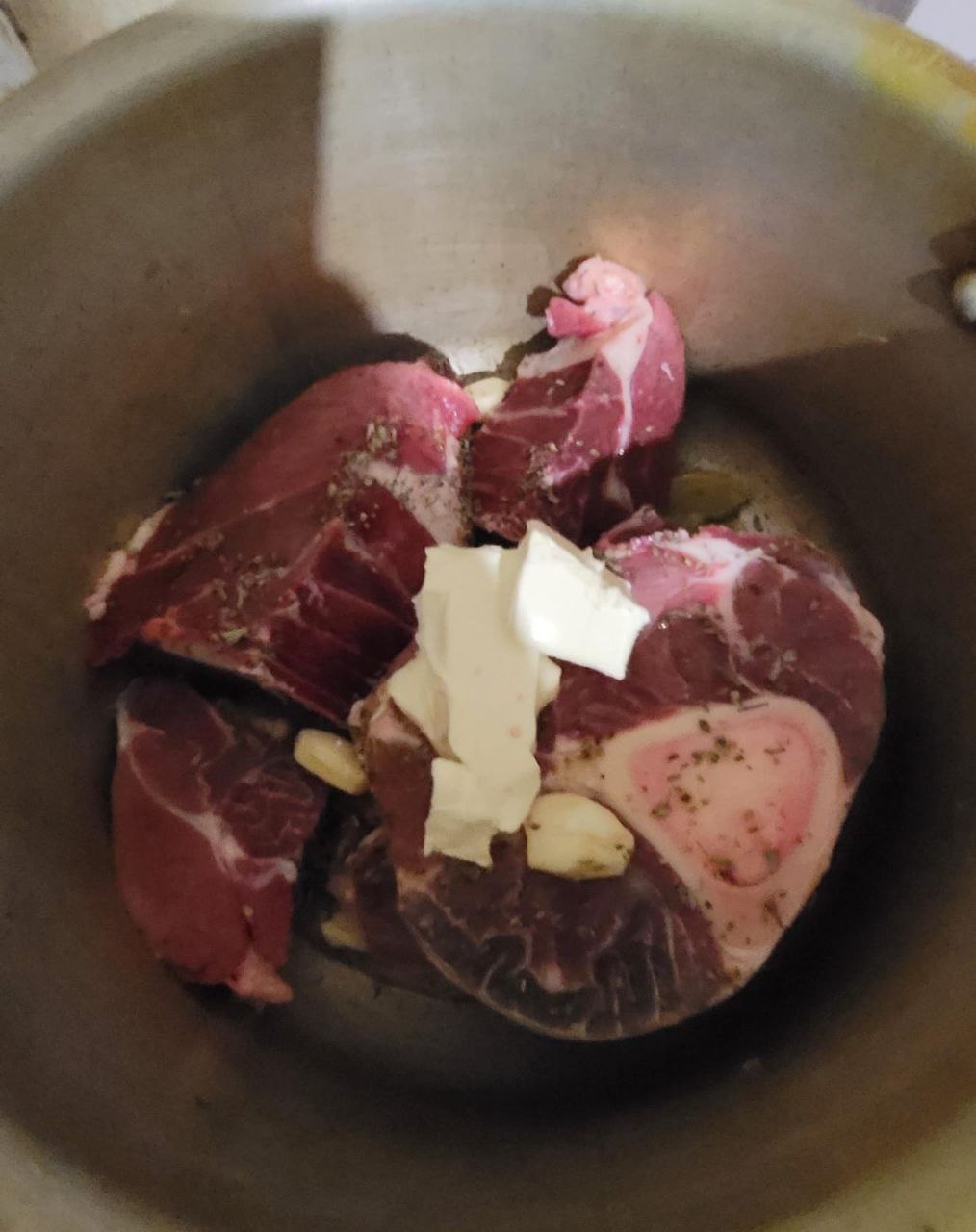
And then, the lid is closed. The flame is lowered. The waiting begins.
This is not a boil. This is a whisper. A slow conversation between heat and flesh.
The Steam of Memory As the stew simmers, the house fills with scent. Children pause. Elders smile. Guests feel welcome before they even sit.
The steam carries more than aroma—it carries memory. It evokes childhood, celebration, comfort. It is the scent of home.
Regional Variations Across Morocco, this meat stew takes many forms:
In Fès, it may be enriched with prunes and almonds
In Marrakech, it might include ras el hanout and saffron
In the Rif, it leans into garlic and olive oil
In Berber villages, it is cooked over charcoal, with wild herbs
Each version is valid. Each version is sacred.
The Role of the Clay Pot Though this dish can be made in metal, the clay tagine adds magic. It retains heat gently. It allows steam to circulate. It deepens flavor.
Cooking in clay is not just technique—it is philosophy. It teaches us to trust the process. To honor the vessel. To respect the flame.
Serving and Sharing When the stew is ready, it is not plated—it is presented. The pot is placed at the center. Bread is torn by hand. Meat is shared. Sauce is savored.
There is no rush. There is laughter. There is silence. There is gratitude.
