
Step 4: Reflect on Your Daytime Habits
Are you generally motivated or do you procrastinate?
Do you avoid physical effort when possible?
How does your energy level match your sleep position?
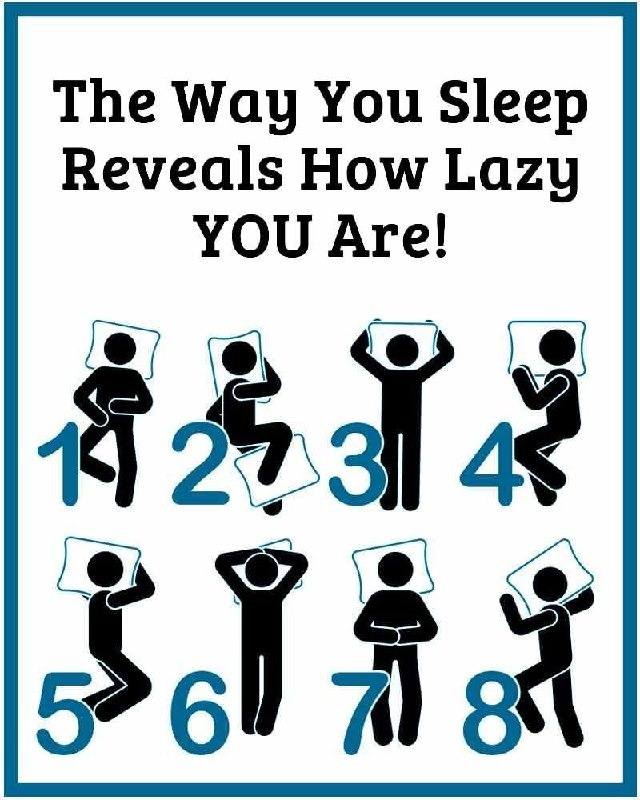
Connecting your sleep position with daytime behavior helps confirm if the laziness hypothesis fits you.
Step 5: Make Adjustments if Desired
If you want to be more active or less lazy, experiment with changing your sleep position to one associated with more alertness or energy (like sleeping on your back in a more controlled posture).
Combine with habits such as morning stretching and goal-setting.
Final Thoughts: Is Your Sleep Position Really a Lazy Indicator?
While it’s fun and sometimes insightful to connect sleep posture with personality, keep in mind these are broad generalizations. Laziness is a complex behavior influenced by many factors — sleep position is just one tiny piece of the puzzle.
However, understanding how you naturally seek comfort in sleep can give you clues about your subconscious mindset toward effort and activity. Whether you’re a “starfish” loving comfort or a “log” who enjoys stability, embracing your natural tendencies while balancing them with healthy motivation is the key.
So, next time you crash into bed, think about what your favorite sleeping position might say about your lifestyle — you might just uncover a few lazy secrets hidden beneath the covers!
If you want, I can also help you create a personalized sleep position and lifestyle journal to track this over time. Would you like that?
