
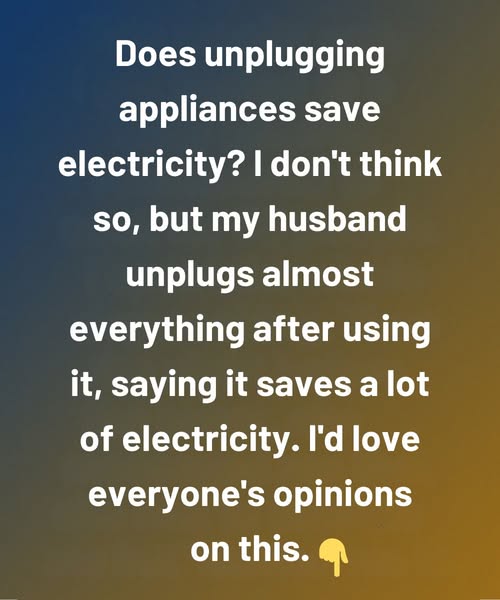
Before you start pulling every plug in the house, remember: not all devices should be disconnected. Keep these plugged in at all times:
- Refrigerator/freezer – Spoiled groceries are more costly than energy savings.
- Medical devices – Equipment like CPAPs or oxygen machines should never be unplugged.
- Wi-Fi routers and modems – Unless you can schedule downtime, they often power smart home devices.
- Security systems or baby monitors – Safety should take priority.
Some electronics, like cable boxes, also take a long time to reboot. In those cases, weigh the savings against convenience.
Smart Ways to Reduce Vampire Power
The goal isn’t to unplug everything—it’s to be strategic.
- Use Smart Power Strips
These cut power to secondary devices when the main one shuts off. For example, turn off your TV, and the strip also powers down the soundbar and game console. - Group Devices Together
Plug kitchen gadgets into one strip, or put your entertainment center on a single switch. Flip it off at night with one move. - Unplug Idle Chargers
Phone and laptop chargers continue to draw electricity even when nothing’s connected. Unplugging them takes just a second. - Choose Low-Standby Devices
When shopping, look for ENERGY STAR® certification or products with true on/off switches. - Adopt the “Last One Out” Rule
Before bed or leaving home, do a quick sweep: are non-essential devices still drawing power?
The Bottom Line
Vampire power is a small but steady drain on your wallet and the environment. By using smart strips, unplugging idle chargers, and being mindful of which devices really need to stay on, you can cut unnecessary waste without sacrificing comfort.
The savings may not feel dramatic day-to-day—but over a year, they add up to real money and a lighter environmental footprint.
