What is the purpose of the fabric bands on bath towels?

Every day, after showering, we instinctively grab our bath towel to dry off. But have you ever paid attention to the fabric bands often found at their edges?
Many people think they are just decorative, but in reality, these bands serve a much more useful purpose. And if you choose your towels wisely, you might even avoid having to replace them too often!
A detail we overlook… but one that matters
An invisible yet effective protection
These fabric bands, usually smoother and thinner than the rest of the towel, primarily prevent fraying.
Why is this important?

Read more

Hibiscus and Lemon Tea

Ingredients: 1 cup dried hibiscus flowers (or 2 hibiscus tea bags) 1 cup boiling water 1/2 lemon, sliced 1-2 tablespoons honey (optional) Ice cubes (optional) Instructions: Steep the hibiscus: Place …

Read more

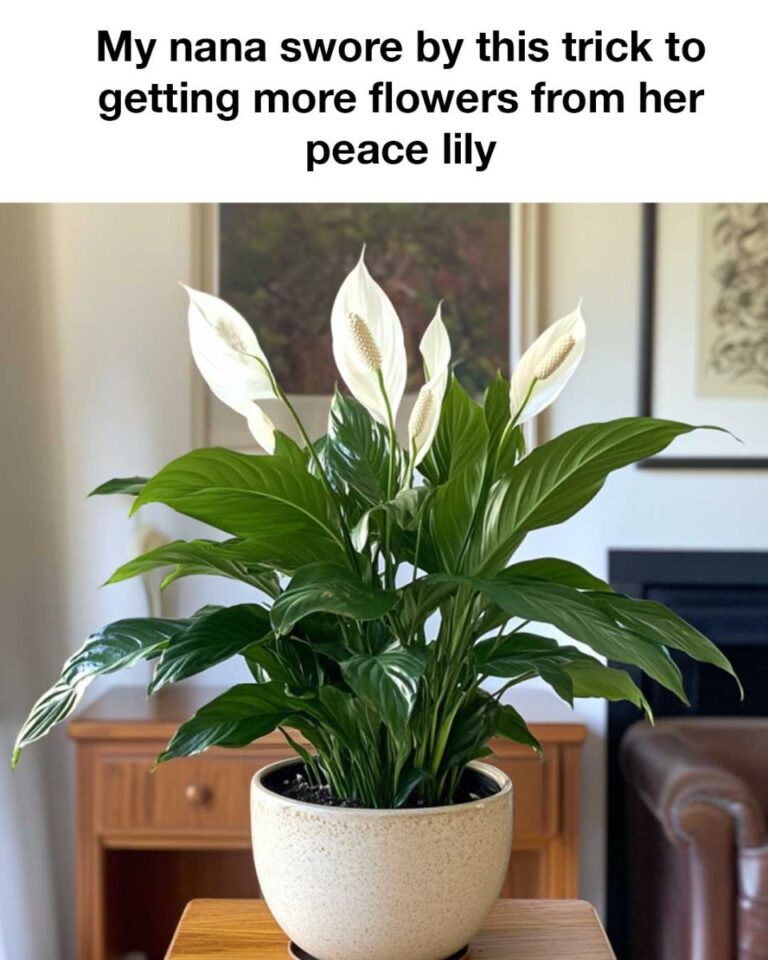
Mine could definitely flower more

The Peace Lily, scientifically known as Spathiphyllum, is a cherished houseplant renowned for its lush green foliage and striking white blooms. It has long been a symbol of tranquility and purification, often adorning homes and offices to improve both aesthetics and air quality. Beyond its visual appeal, the Peace Lily holds a sentimental value for many, evoking memories of loved ones who nurtured them with care over the years.
Understanding the Basic Needs of a Peace Lily
To thrive, Peace Lilies require an understanding of their basic needs. These tropical plants prefer indirect sunlight, as too much direct light can scorch their leaves. They flourish in well-draining soil, and it’s crucial to keep the soil consistently moist without overwatering. Peace Lilies also appreciate a humid environment, making regular misting or placing a humidity tray nearby beneficial. Fertilize them monthly during the growing season with a balanced houseplant fertilizer for best results.
Advertisement
Common Challenges in Cultivating Peace Lilies
Cultivating Peace Lilies comes with its share of challenges. One common issue is yellowing leaves, often indicating improper watering or insufficient light. Pests like spider mites and aphids can also attack Peace Lilies, leading to damaged foliage. Root rot, caused by waterlogged soil, is another prevalent problem that can ultimately kill the plant if not addressed. Additionally, achieving consistent blooming can be tricky, as Peace Lilies require optimal conditions to produce their signature flowers.
The Timeless Trick Passed Down by Nana
My Nana swore by a unique trick to boost the blooming of her Peace Lilies, a method she learned from her own mother. The secret revolves around using cold water during watering sessions. According to Nana, watering Peace Lilies with cold water, especially in the early morning, stimulates more flower production. This method diverges from the usual advice of using room-temperature water but has proven effective in her experience.
Step-by-Step Guide to Implementing the Trick
1. Fill a watering can with cold water, preferably straight from the tap.
2. Wait until early morning to water your Peace Lily.
3. Water the plant thoroughly, ensuring the soil is evenly moist but not waterlogged.
4. Repeat this process once a week, adjusting based on the plant’s moisture needs.
5. Monitor your Peace Lily over the next few weeks for an increase in blooms.
Scientific Explanation Behind the Trick’s Effectiveness

Read more

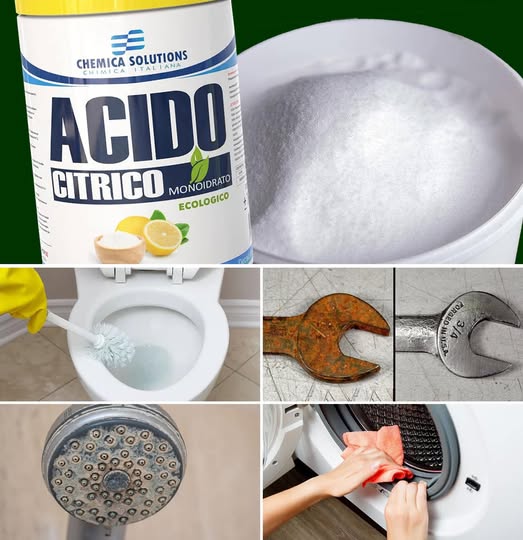
8 Uses of Citric Acid That Will Leave You Open-mouthed

Citric acid is a preservative and natural antioxidant product common in many industries, such as cosmetics, food and pharmaceuticals. It is an organic acid present in a wide variety of fruit, especially in citrus fruits, although most of the citric acid on the market is obtained through the fermentation of sugars.

Used as a food preservative, citric acid is also a powerful ally for household cleaning, and can be used in many different ways.

Below we suggest the main and most important uses of citric acid in the home.
1. Remove the rust

Prepare a solution composed of half a liter of water and two tablespoons of citric acid, pours into a splash and shakes well.

Spray the solution on the rusty object to be recovered, then rubs well with a toothbrush and dry.

The object will be back to its original appearance. Remember not to use it on aluminum objects.
2. Recover burnt pots

Although some seem irretrievable, most burnt pots can be recovered from citric acid.

Fill the pot with water, add two tablespoons of citric acid and bring to a boil. The pot will be back as new.
3. Souting a clogged drain

You don’t need to buy aggressive products to exrap a clogged exhaust.

Just pour into the drain half a glass of citric acid and a half of baking soda. Immediately after pour half a glass of hot water and wait for the ingredients to make their almost miraculous effect.
4. Disinfecting the surfaces

One of the functions of citric acid is its ability to disinfect and thoroughly clean surfaces.

Read more

Infallible tricks to remove limescale from the shower glass and make it shine

The bathroom is one of the environments that tends to get dirty faster, because of the bacteria that accumulates, the soap that sticks on the tiles and the drops of water that, when dry, leave the very annoying limestone spots that make the shower glass opaque.

Water contains calcium, but also other minerals such as iron that, when it comes into contact with the air, rusts itself creating stains that, over time, become increasingly difficult to eliminate.

There are numerous products aimed at removing limescale from the glass, but almost all of them contain toxic ingredients that can cause irritation to the eyes, skin or the airways. The ideal is to open the bathroom windows to circulate air, or to use natural ingredients, economical and harmless to our health.
White water and vinegar

You need to:

250 ml of water
250 ml of white vinegar
the juice of a lemon

Read more

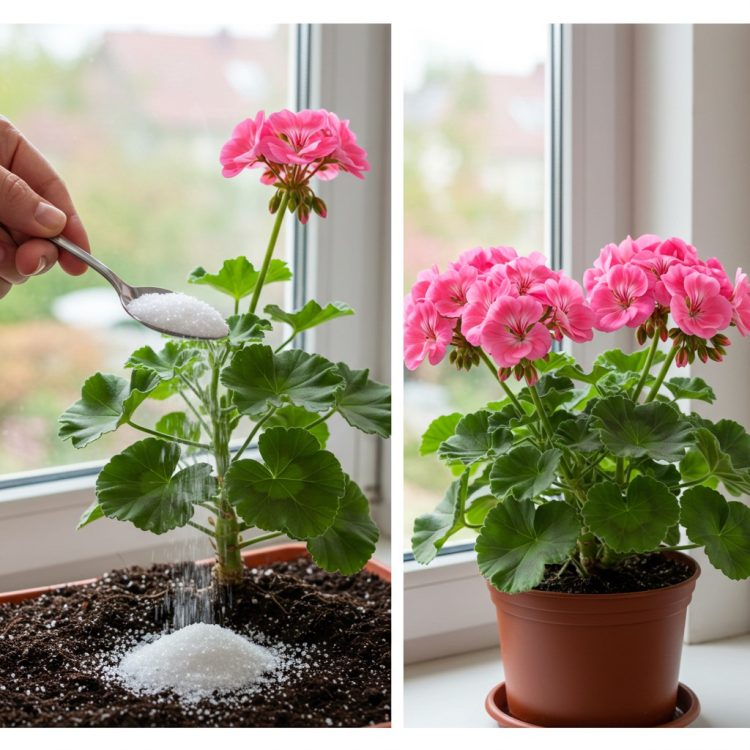
This is how to have geraniums full of flowers: you have to water them like this to keep them always leafy.

Geraniums bursting with flowers in no time? Water them this way! Only this technique will ensure you always have lush plants. Try it now.

If you’re looking for a super-eco-friendly and quick solution to see your geraniums blooming , you’ll find the answer here. Here’s the watering technique that guarantees lush blooms.

Geraniums, how to care for them naturally
Beautiful plants with vibrant, colorful flowers, geraniums are a sight to behold and a sight to behold for green thumb lovers. They bloom in summer, are resistant to high temperatures, and thrive not only in gardens but also on terraces or balconies .

Geraniums full of flowers
They can also survive indoors as long as they are placed in bright rooms and away from direct heat sources . There are many species. Among the most famous and best-selling are the common geranium, the ivy geranium, and the pelagonium and royal geranium.

The latter is also a favorite among novice growers because it can be easily treated at home . To care for geraniums, you need to follow a few tips . For example, pay attention to light and temperature .

Geraniums, to grow strong and healthy, need a lot of light , not necessarily direct, the sun’s rays could even burn the flowers and block the flowering process, so be careful.


Therefore, place your plants in a partially shaded area so they get plenty of sun, but not too much. If you don’t have a terrace or garden, you can place your geranium near a well-lit window .

In fact, too much shade, like too much light, can block the flowering process . As for temperatures, geraniums can withstand temperatures as low as 30 degrees Celsius , but they don’t like the cold: in fact, in winter, they should be protected with antifreeze netting or bubble wrap.

If you’re looking for a super-green solution to keep geraniums blooming every season , you’ll find it here. Here’s the watering technique to ensure your plants are always lush.

The watering technique to make your plants bloom

Read more

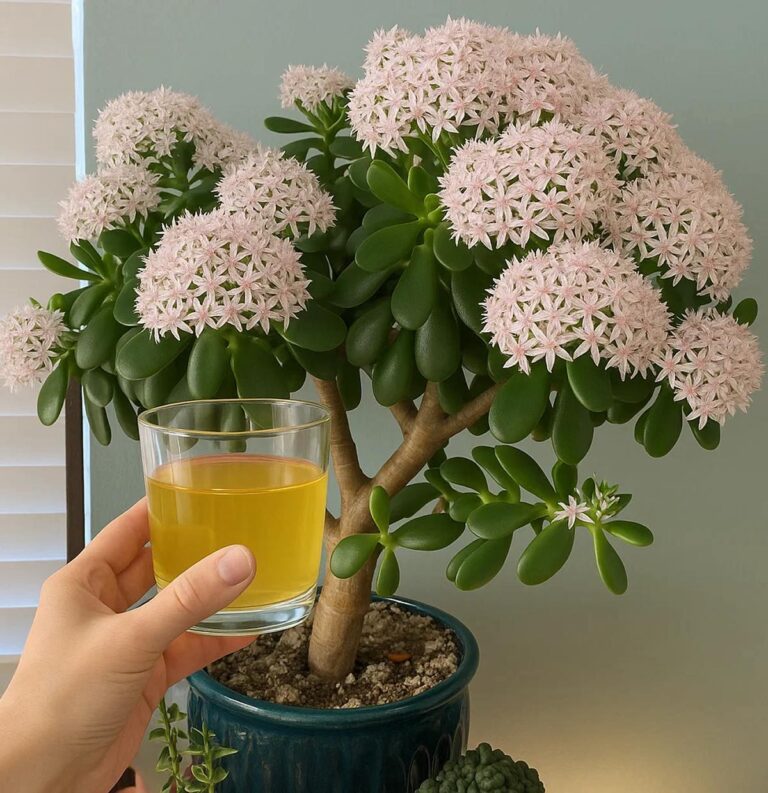
Come fare fiorire un albero di Giada e profumare tutta casa

The Jade tree is perfect for decorating gardens and interior spaces, not only for its wonderful leaves, but also because it is associated with good luck. In this article we explain how to make a Jade tree bloom.

Easy to reproduce and maintain, the Jade tree is a very popular and widespread plant. Yet few people know that it can bloom and generate wonderful and very fragrant flowers, star-shaped, white with purple touches.

The flowers of the Jade tree appear on the tips of the branches, in the shape of bunches, generally at the end of winter and at the beginning of spring.

In order for it to bloom, the Jade tree must not be very young. On average, a plant can take up to 10 years before it begins to

Read more

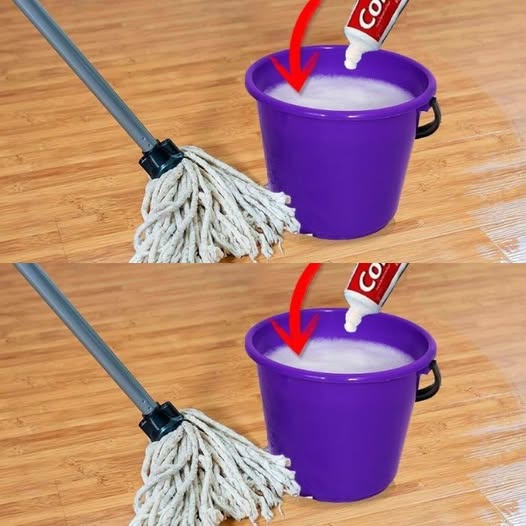
Find out how to use toothpaste to clean your floor and make your tiles shine.

Sure! Here’s an engaging article about using toothpaste to clean floors and make tiles shine:

Discover the Surprising Way Toothpaste Can Make Your Floor and Tiles Shine

When you think of toothpaste, your mind probably jumps straight to dental hygiene. But did you know this common bathroom staple can do wonders beyond cleaning your teeth? Yes, toothpaste can actually be a handy, budget-friendly cleaning agent for your floors and tiles — and it can make them gleam like new!

Why Toothpaste?

Toothpaste contains mild abrasives and cleaning agents designed to scrub away stains gently without damaging delicate surfaces. These qualities make it perfect for tackling stubborn grime and dullness on tile surfaces and even some types of flooring.

How to Use Toothpaste to Clean Floors and Tiles

Materials Needed:

  • White, non-gel toothpaste (avoid colored or gel types)
  • Soft cloth or sponge
  • Warm water
  • Soft-bristled brush (optional)
  • Clean dry towel

Step-by-Step Guide:

  1. Prepare the Area: Sweep or vacuum your floor or tiles to remove any loose dirt and debris.
  2. Apply Toothpaste: Squeeze a small amount of white toothpaste directly onto the stained or dull areas of your tiles or floor.
  3. Scrub Gently: Using a soft cloth, sponge, or soft-bristled brush, gently scrub the toothpaste into the surface in circular motions. The mild abrasives in the toothpaste help lift stains without scratching.
  4. Let it Sit: Allow the toothpaste to sit for 5 to 10 minutes to work on the grime.
  5. Rinse Thoroughly: Use a clean cloth dampened with warm water to wipe away all toothpaste residue.
  6. Dry and Buff: Dry the surface with a clean towel and buff lightly to bring out a natural shine.

Read more

Vinegar makes hydrangeas bloom and bluer? 13 best garden hacks most don’t know

Gardening is both an art and a science, requiring a blend of creativity and knowledge to cultivate a thriving garden. While many gardeners rely on traditional methods, there are numerous unconventional hacks that can enhance plant growth, improve soil health, and even change the color of your flowers. These lesser-known tips can transform your garden into a lush paradise without the need for expensive chemicals or tools.

One such intriguing hack involves using vinegar to alter the color of hydrangeas. This simple household item can make your hydrangeas bloom more vibrantly and even change their color to a deeper blue. But vinegar is just the beginning. In this article, we will explore 13 of the best garden hacks that most people don’t know, each with the potential to revolutionize your gardening experience.

1. The Science Behind Vinegar and Hydrangea Color

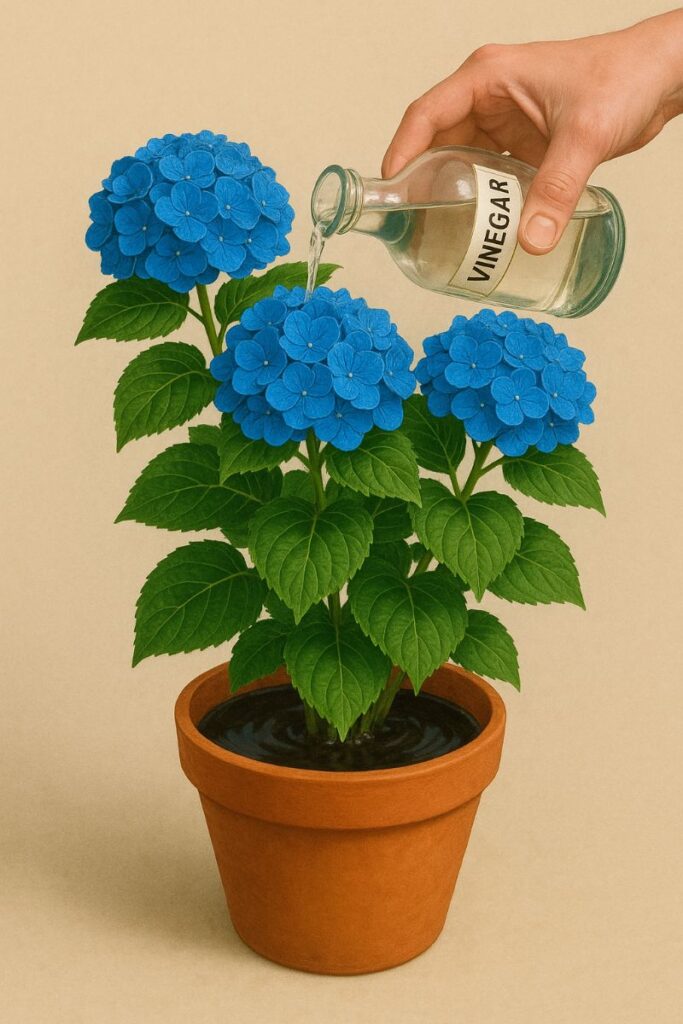
Hydrangeas are unique among flowering plants because their bloom color can change based on the pH level of the soil. In acidic soils (pH below 6), hydrangeas tend to produce blue flowers, while in alkaline soils (pH above 7), they produce pink flowers. Vinegar, being acidic, can lower the pH of the soil when applied correctly.
To achieve bluer hydrangeas, gardeners can mix one cup of white vinegar with a gallon of water and apply it to the soil around the hydrangea plants. This should be done once every two weeks during the growing season. The acetic acid in vinegar helps to increase the acidity of the soil, which in turn enhances the blue pigmentation in hydrangea blooms.

2. How to Use Vinegar for Bluer Hydrangeas

To use vinegar effectively for bluer hydrangeas, start by testing your soil’s pH level with a home testing kit. If your soil is too alkaline, prepare a vinegar solution by mixing one cup of white vinegar with a gallon of water. Water your hydrangeas with this solution every two weeks, taking care to avoid the leaves and flowers to prevent any potential damage.
It’s important to monitor the soil’s pH regularly, as over-acidifying can harm the plant. Aim for a pH level between 5.2 and 5.5 for the best blue blooms. Additionally, ensure your hydrangeas are well-watered and receive adequate sunlight, as these factors also influence flower color and health.

3. Coffee Grounds for Acid-Loving Plants

Coffee grounds are an excellent addition to the garden, especially for acid-loving plants like azaleas, rhododendrons, and blueberries. They are slightly acidic and rich in nitrogen, making them a great natural fertilizer.
To use coffee grounds, simply sprinkle them around the base of your plants or mix them into the soil. You can also add them to your compost pile to enrich the compost with nitrogen. Be cautious not to overdo it, as too many coffee grounds can create a dense layer that prevents water from penetrating the soil.

Read more